🤖 1. AI-Driven Robotic Baristas Are on the CES Floor
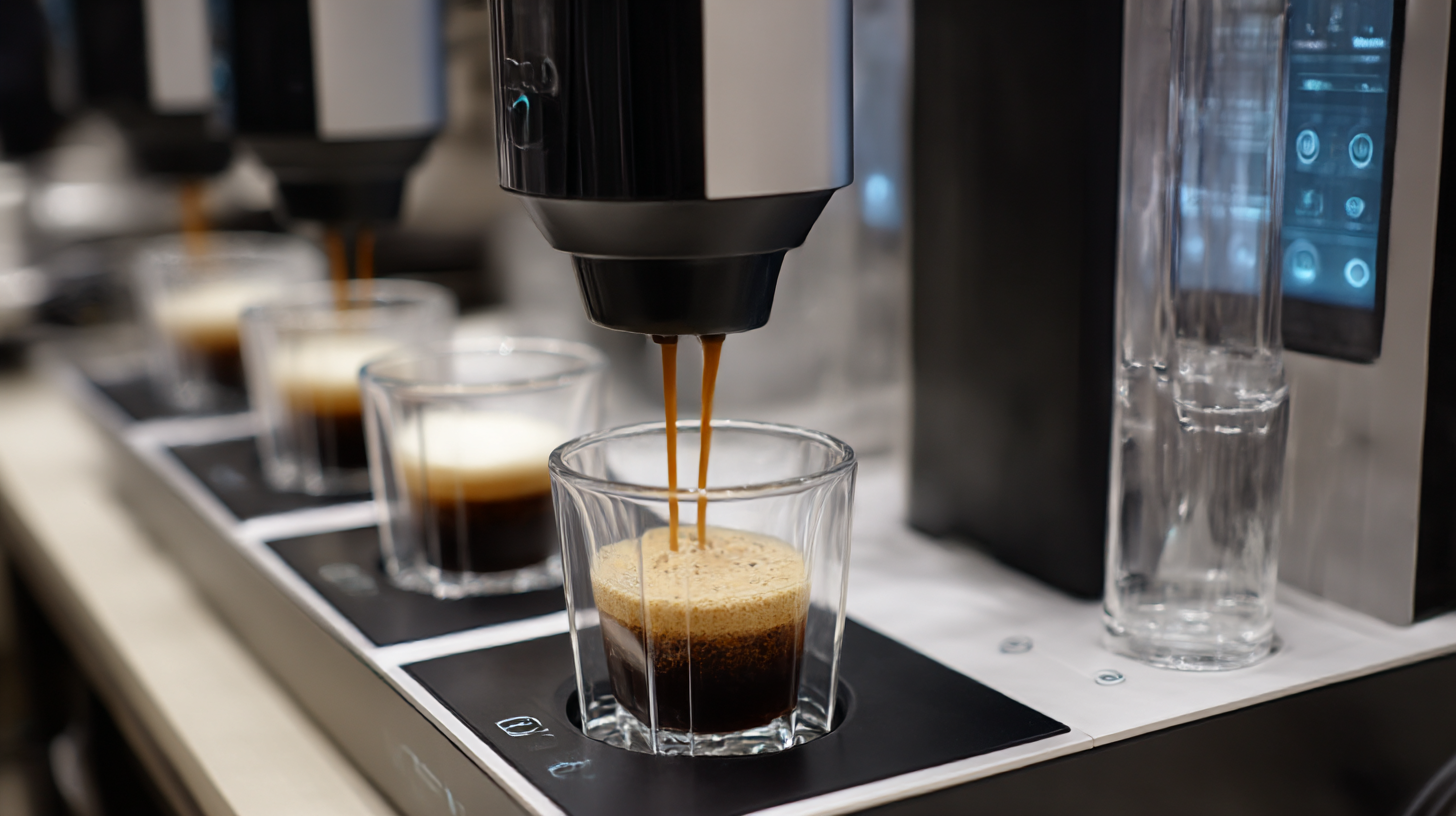
One notable company exhibiting at CES 2026 is Artly Coffee, which is showcasing automatic AI-barista systems that use computer vision and artificial intelligence to make specialty coffee without human intervention. These systems are aimed at preserving coffee craft while delivering consistency and quality. CES 2026
☕ 2. Smart Coffee Automation Fits a Bigger Tech Trend
CES 2026 isn’t just about phones and TVs — robotics and embodied AI are central themes this year, with robots designed to interact with real environments and people. While much coverage focuses on humanoid helpers and smart home bots, specialized service robots — including in food and beverage applications — are part of this trend. Rockingrobots
🧠 3. Coffee Machines Are Getting Smarter
Bosch announced its “Personal AI Barista” upgrade at CES 2026, integrating Alexa Plus voice control with a fully automatic espresso machine. Though not a full robotic arm-style coffee maker, it signals how AI is entering everyday coffee equipment to personalize drinks and enhance user experience. The Verge
📈 Why Robotic Coffee Systems Matter
Even beyond CES, broader coffee automation trends point to how robotics is reshaping the industry:
⚡ Speed & Efficiency
Robotic coffee systems — whether barista bots in public spaces or fully automated machines — are designed to serve drinks rapidly and consistently, often in under 90 seconds, making them ideal for busy venues such as airports and offices. vendinglab.tech
☕ Consistency Every Time
By using precise sensors, AI, and real-time controls, these machines fine-tune brewing parameters like grind size, water temp, and extraction time to deliver repeatable, high-quality cups, unlike human variability. teacoffeelovers.com
🧠 Customization & Data
Advanced robotic systems can learn user preferences over time and offer personalized coffee profiles, enhancing satisfaction while offering businesses data on popular drinks and peak demand. Robotic Coffee Bars | Pazzo Coffee
☁️ Broader Efficiency & Sustainability
Automation also helps with inventory tracking, waste reduction, and ensuring hygiene — factors increasingly important in post-pandemic hospitality and high-traffic venues. vendinglab.tech
🛠 Tech Behind the Machines
Robotic coffee systems generally combine:
- Mechanical arms or integrated automated brewers
- AI and computer vision for cup handling, pouring, and recipe control
- Machine learning to adapt to preferences and operational conditions
- Touchless ordering interfaces and mobile app integration teacoffeelovers.com+1
Together, these components turn coffee preparation into a precise, efficient, and customer-friendly experience.
☕ Looking Ahead — What’s Next for Coffee Robotics
CES 2026 and wider industry trends suggest the future coffee experience may include:
- Fully autonomous coffee kiosks in urban and travel hubs
- Hybrid human-robot cafes where automation handles routine drinks and baristas focus on craft and specialty orders
- Personalized AI coffee makers in homes responding to voice and preference data
- Robotic service platforms integrated with loyalty and mobile ordering systems
These innovations aim not just to serve people faster, but to enhance the quality and personalization of coffee — a noticeable shift in how the industry thinks about service and experience.